

Hi there! This content comes from my free monthly newsletter, which was originally sent to subscribers in September 2025. If you haven't already, why not sign up for the newsletter yourself?
Context is Key
In this issue:
- Conversation for Context
- Traditional Asian Acupuncture (TAM) vs Dry Needling
- Pracitioner Spotlight: Beatrice Au
- Closing Reflection
Conversation for Context
I was recently in a coffee shop when I overheard a conversation that caught my attention.
One person was (loudly) complaining to their companion about how acupuncture had failed to relieve their back pain. They explained that after five sessions of dry needling administered by their chiropractor, there was no improvement.
Their pain was stopping them from exercising and affecting their sleep.
Curious – and now part of the conversation – I asked if they would consider trying acupuncture again.
The answer was firm: “No chance!”
I wished them well and suggested perhaps massage or Shiatsu might help.
This kind of experience is not unusual: people try acupuncture and feel it doesn’t work for them.
But that doesn’t mean acupuncture itself is ineffective.
Often, this comes down to poor communication and misunderstanding about what acupuncture really is – specifically the difference between Traditional Asian Acupuncture and Dry Needling.
It all comes down to context.
“When the energy flows freely, there is health; when it is blocked, there is pain.”
– Traditional Chinese Medicine principle
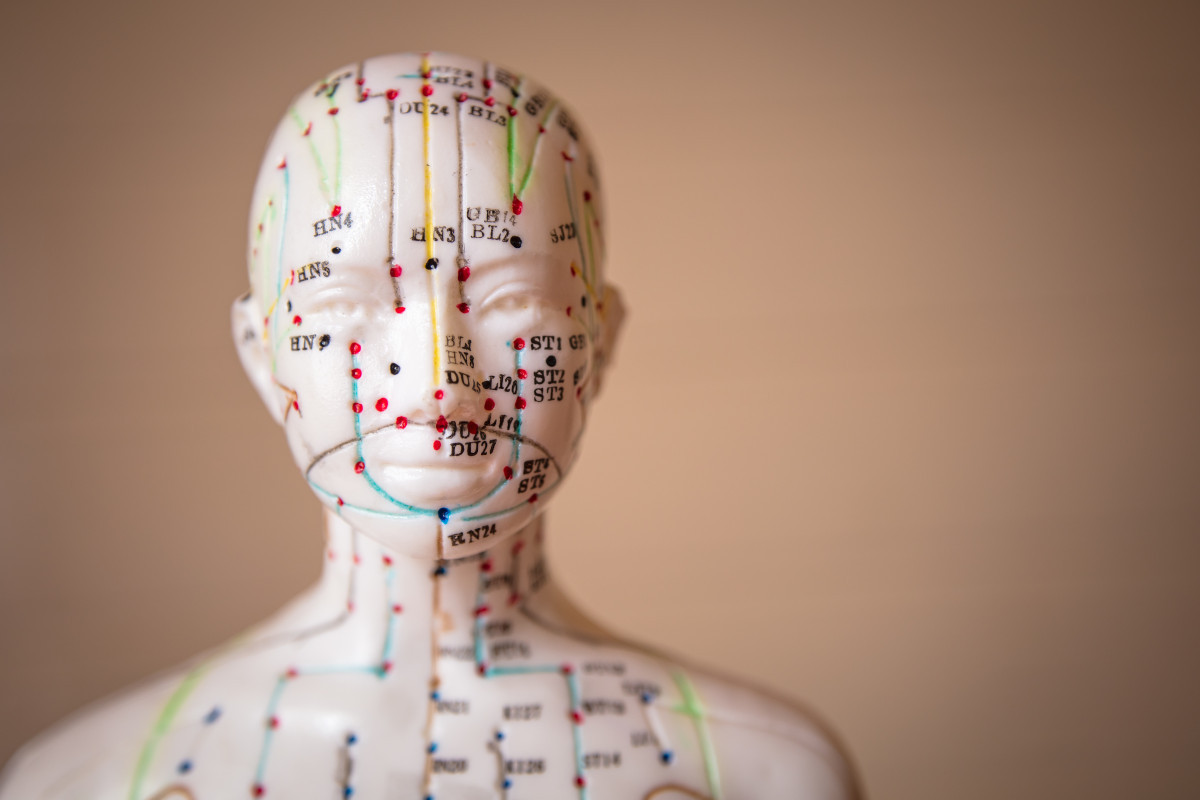
Traditional Asian Acupuncture (TAM) vs Dry Needling: What’s The Difference?
In my view, TAM and dry needling are not entirely different but do vary in when, how, and by whom they are used.
Traditional Asian Acupuncture (TAM)
TAM was developed for over 2,000 years (and has continued to evolve). It is based on the idea that vital energy, called Qi (or Chi), flows through pathways known as meridians.
When Qi or blood flow becomes blocked or imbalanced, illness or pain results.
For example, an injury from exercise causes pain because of blocked Qi and blood in the affected area.
The context here is crucial.
TAM developed before modern anatomy and physiology were understood, relying on observation and extensive practical experience as the only available medicine at the time.
Imagine my coffee shop friend living back then – they would have turned to a Traditional Asian Medicine Doctor who would insert needles along the meridians, as well as offer bodywork like Shiatsu or Tui Na, cupping, moxibustion, and herbal treatments – all part of a broad healing toolbox.
As modern knowledge advanced, TAM practitioners integrated new medical understanding into their practice – think of it as a system upgrade, like updating your smartphone software.
Dry Needling
The dry needling method emerged in the late 20th century from a Western medical perspective.
It targets musculoskeletal issues by inserting needles into “trigger points” – tight knots within muscles – aiming to relieve pain, improve movement, and reduce tension.
A typical dry needling description says:
“Dry needling focuses on the exact location of muscle tightness and pain, aiming to improve pain by improving muscle function.”
That sounds familiar to my coffee shop friend’s experience.
How Does This Differ from TAM?
Here’s how I might describe TAM treatment in modern terms:
“TAM alleviates pain by placing needles and using bodywork at the local site of pain plus other points along meridians to regulate blood and energy flow, reduce blockages, and relieve discomfort.”
To someone unfamiliar with TAM, this can sound vague or confusing – especially when needles are placed far from the site of pain (for example, in hands or feet when suffering lower back pain).
This is where clear explanation is essential.
Modern TAM practitioners must translate ancient concepts into language relevant to today's patients.
Why Does Context Matter?
People 2,000 years ago experienced muscle knots and injuries just like we do today. They treated these problems with the knowledge available then.
The human body hasn’t changed much; what has changed is our understanding of how it works and how to treat it.
Dry needling offers Western-trained practitioners a way to include acupuncture-like techniques, but with a specific focus on anatomy and musculoskeletal issues.
It can be seen in two ways:
As a system upgrade – adding acupuncture-style needling to their existing treatment options.
As a system reduction – because it focuses narrowly on muscles and trigger points. Traditional Asian Medicine (TAM) takes a broader approach that includes energy flow, blood circulation, and the whole body system.
What About Education?
Training also differs significantly between TAM and dry needling:
TAM doctors undergo 3–4 years of intensive training in Canada (4 years in China) plus ongoing regulation through professional colleges.
Dry needling certification varies widely — from weekend courses to several months — depending on the region and the practitioner’s profession (physiotherapy, chiropractic, massage therapy).
This difference in scope and training is why understanding the context of your treatment matters.
Dry needling may be effective for specific muscle pain, but TAM offers a wider perspective that may be necessary for more complex or chronic issues.
What About My Coffee Shop Friend’s Experience?
Why didn’t dry needling work for their back pain?
Again, context is key.
Some colleagues oppose dry needling because it lacks TAM’s depth and breadth. Others recognize that physiotherapists and chiropractors are highly skilled in their fields – but approach treatment through a narrower lens.
The failure here likely reflects that treating this injury required a broader approach or deeper experience – something a seasoned TAM practitioner might have provided.
The Coffee Shop Takeaway
If you have tried dry needling without success, it does not mean acupuncture itself is ineffective.
It may simply mean that the treatment context was not right for your specific condition.
• • • • •
If you’re dealing with persistent pain or discomfort and are curious about how Traditional Asian Medicine might help you restore balance and promote healing, consider booking a session with a qualified practitioner who can assess your individual needs within this broader context.
“When you treat a disease, you win or lose. When you treat a person, you win no matter what.”
– Patch Adams

Book With Beatrice!
Beatrice is currently offering treatments at Dupont Naturopathic Family Centre until she takes her formal Board exams.
Treatments are offered at a reduced rate.
Closing Reflection
As the fall season arrives, I invite you to reflect on the importance of context in your health and healing journey.
Just as understanding the full story behind acupuncture and dry needling can make all the difference in treatment, recognizing the wider context of your own body and experiences can help guide your path to wellness.
Ask yourself:
Are you looking at the whole picture or just one piece?
How might a broader view of your health – including body, mind, and energy – open up new possibilities for healing?
When you consider context carefully, you empower yourself to make more informed choices, find treatments that truly fit your needs, and deepen your connection with your own well-being.
Take a moment to be curious about your health story.
Notice where you might benefit from a wider perspective and allow that awareness to support your path forward.
Until next time, be gentle with yourself and remember – healing is most effective when seen and treated in its full context.
Stay golden,
Share This Newsletter – I hope you have enjoyed this issue of my newsletter. If you know someone who might also benefit from this content, please forward it along or ask them to sign up at my website.

About Daniel
I am a practitioner of traditional East Asian medicine based in Toronto, Ontario. You can find more about me on my bio or learn more about the treatments I offer.
As always, thanks for reading!
– Daniel (T’agyol) Adler