

Hi there! This content comes from my free monthly newsletter, which was originally sent to subscribers in April 2026. If you haven't already, why not sign up for the newsletter yourself?
From Sore to Soaring
In this issue:
- Shiatsu and Physiotherapy: Two Wings of One Bird
- Comparing the Two Approaches
- How They Work Together
- Pracitioner Spotlight: Darren Noriel
- Closing Reflection

Shiatsu and Physiotherapy: Two Wings of One Bird
As a bodywork therapist, I hear this a lot:
“I went to see the physiotherapist for my problem and they just gave me exercises…”
And on the flip side, my physiotherapy colleagues often tell me:
“My patients don’t want to do the exercises—they just want hands-on treatment.”
So what’s going on here?
There’s a bit of a disconnect—a mismatch between what people expect and what each type of treatment is actually designed to do.
If you’ve worked with me before, you know I’m a big believer in using different kinds of practitioners to support your health. But that only works if you understand what each of us does—and what we don’t do.
It’s important to understand both Zen Shiatsu and Physiotherapy for a more complete healing journey. Let’s clear things up.
“90% of problems are not pathological—they are miscommunication.”
– T’agyol’s (very wise) Dad
Comparing the Two Approaches
What is Shiatsu?
“Shi” and “Atsu” mean “finger” and “pressure” in Japanese.
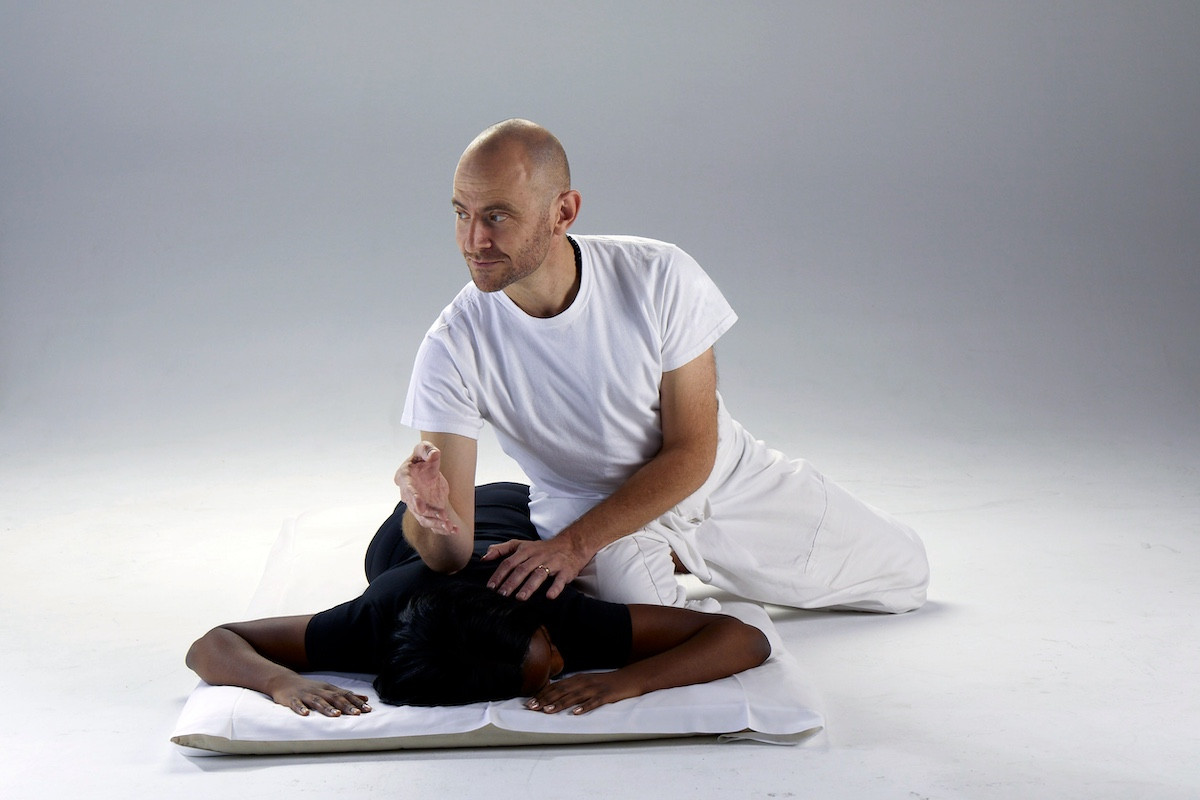
Shiatsu is a hands-on, full-body treatment. It comes out of Traditional East Asian medicine, but what really defines it is how the work is done: steady, connected pressure, combined with stretching and gentle joint movement.
A typical session is 60–75 minutes, and during that time I’m not just working on one spot. I’m working with:
- your main concern; and
- the broader patterns in your body that may be contributing to it
So even if you come in with, say, shoulder pain, we’re often working well beyond just the shoulder.
What is Physiotherapy?
Physiotherapy is focused on targeting the specific anatomical structures involved in the injury.
It’s designed to help you recover from a specific injury or dysfunction. A physiotherapist will assess your strength, mobility, and function in a given area, and then guide your recovery using:
some hands-on treatment; and
importantly, targeted exercises
Those exercises are not an “extra”—they’re actually central to the process. Physiotherapy really shines when it comes to rebuilding strength, stability, and function over time.
How Are They Different?
Here’s a simple way to think about it:
- Shiatsu works with the whole body, even when you come in with one issue; Physiotherapy focuses more directly on movement and strength for a given structure.
- Shiatsu sessions are continuous, hands-on treatments (usually 60–75 minutes); Physio sessions usually include learning and progressing exercises, with some hands-on work to encourage movement.
- In Shiatsu, you’re mostly receiving the treatment; in Physiotherapy, you’re actively involved—learning and doing.
- Shiatsu leans toward bodywork-driven recovery; Physiotherapy leans toward exercise-driven recovery.
They’re Not Opposites
Both approaches:
address pain
support healing
use hands-on techniques (just in different amounts)
aim to improve mobility and quality of life
So while they look different, they’re actually working toward the same goal: helping you feel and function better.

How They Work Together
This is where things get really interesting.
Shiatsu can help by:
calming and regulating your nervous system
reducing overall tension
improving how your body works as a whole
preparing your body to do rehab work
Physiotherapy can help by:
strengthening specific weak areas
restoring function after injury
giving you tools (exercises and activity modification) to support long-term recovery
So, in simple terms:
Shiatsu helps your body let go and reorganize
Physiotherapy helps your body rebuild and strengthen
What Should You Expect in a Session?
During a Shiatsu session, you’ll receive a full, continuous bodywork treatment. We’ll work on your main concern, but also on the bigger picture of what’s happening in your body.
In a Physiotherapy treatment, there will be a clear focus on strengthening and encouraging mobility in specific structures. You’ll likely spend time not just being treated, but also learning and practicing exercises—both in the session and at home.
Both are intentional—they just take different paths.
Which One Should You Choose?
You might lean toward Shiatsu if:
you want a full-body, hands-on treatment
you feel like your specific injury or issue isn’t just “one spot”
you’re looking for something more global and integrative
You might lean toward Physiotherapy if:
you’re dealing with a specific injury
you want a structured rehab plan
you’re ready to actively work on recovery through exercise
And honestly, many people benefit from both.
It’s not either/or.
It’s often about combining hands‑on care through Shiatsu with actively rebuilding strength and function through physiotherapy.
“The wise practitioner treats the root, not only the branch.”
– Traditional Chinese Medicine

Practitioner Spotlight: Darren Noriel
Over the years I have had the chance to work with many physiotherapists, both collegially and personally. I can honestly say that Darren is one of the best I have met. Not only is he very well trained (he holds dual qualifications of Athletic and Physio Therapist), he is also skilled, professional and, most importantly, curious and creative about how he can use his practice to help his patients get better.
Darren In His Own Words
As a physiotherapist and athletic therapist with over 10 years of experience, my focus is to help busy adults move better, feel stronger, and stay active without pain getting in the way.
I work with people who spend long hours at a desk, juggle family life, and still want to train, run, or stay consistent with their workouts. My approach blends hands-on care, movement coaching, and exercise programming that’s oriented around your goals and lifestyle.
Whether you’re dealing with a new injury, something that keeps coming back, or just feel stiff and out of sync, I aim to give you clear direction and confidence in your body.
My goal isn’t just to get you out of pain, it’s to help you build resilience and teach you how to keep your body healthy and happy in the long-term.
Darren Noriel
Physiotherapist and Athletic Therapist
Phone: 647-916-3336
Email: norielphysio@gmail.com
Website: https://norielphysio.com
Closing Reflection
Both Shiatsu and Physiotherapy are excellent tools.
The real question isn’t “Which one is better?”
It’s “What do I need right now?”
Some people are ready to jump into exercises. Others need hands-on work first before they can get there. Many need a bit of both.
What matters most is that your expectations match the treatment you’re receiving.
Because at the end of the day, it’s not about choosing one over the other— it’s about using the right tool at the right time.
If you’re not sure what that looks like for you, let’s talk. We can figure out the best approach for your short-term recovery and your long-term health.
Stay golden,
Share This Newsletter – I hope you have enjoyed this issue of my newsletter. If you know someone who might also benefit from this content, please forward it along or ask them to sign up at my website.

About Daniel
I am a practitioner of traditional East Asian medicine based in Toronto, Ontario. You can find more about me on my bio or learn more about the treatments I offer.
As always, thanks for reading!
– Daniel (T’agyol) Adler